







Search Results for: digital collectibles

Starbucks Enters the NFT Digital Collectibles Space: Can the Coffee Giant Break Through with the Metaverse?
Starbucks' performance in China continues to decline, and it is trying to reshape its brand appeal by launching NFT digital collectibles and building a virtual "third place." However, the NFT market is highly volatile and mired in controversy, and whether Starbucks can break through via the metaverse remains uncertain. This article sorts out the ins and outs of Starbucks' NFT plan and presents the different voices of netizens and industry insiders. [more…]
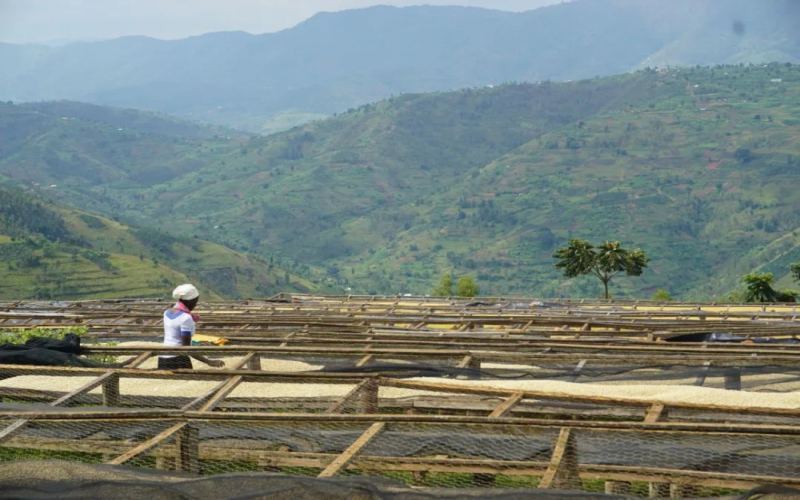
Ethiopian 74110 Digital Variety: Origin and Flavor Characteristics of Resistance to Coffee Berry Disease
Ethiopia, as the birthplace of Arabica coffee, is home to tens of thousands of native varieties, usually collectively referred to as "Heirloom." However, in recent years, numerically named varieties such as 74110 have gradually entered the public eye. Behind these numbers lies a history of disease-resistant breeding: in the 1970s, coffee berry disease ran rampant, and JARC collected and selected 13 resistant varieties, giving rise to the 74 series. This article will explain the naming logic, variety characteristics, cultivation distribution, and flavor performance of 74110, and compare its similarities and differences with 74112, helping you gain a more comprehensive understanding of this batch of numbered varieties. [more…]
Starbucks' Odyssey NFT platform shuts down after just two years of operation, dealing a setback to its exploration of a digital third place.
Starbucks recently announced that it will shut down its Odyssey NFT test platform on March 31, a decision made just two years after the program's high-profile launch. Odyssey NFT had originally been expected to accomplish much, aiming to deeply integrate emerging NFT technology with the traditional loyalty program Starbucks Rewards, offering users substantive rewards ranging from virtual coffee courses to visits to coffee estates, and even allowing users to trade and cash out on the secondary market. However, the platform's sudden shutdown has left the industry and users quite surprised. Does this mean Starbucks will completely withdraw from Web3.0 exploration? This article sorts through the rise and fall of Odyssey NFT and follows Starbucks' subsequent moves in digital innovation. [more…]

Starbucks Odyssey: Merging NFTs and Membership Rewards on the Polygon Platform
Ahead of its Investor Day, Starbucks disclosed the latest developments in its employee benefits and customer loyalty programs. Among them, the Web3 platform "Starbucks Odyssey," created in partnership with Polygon in the United States, has drawn particular attention. The platform combines Starbucks Rewards with an NFT mechanism and is expected to launch within the year, allowing U.S. members and employees to earn digital collectibles through interactive activities and unlock unique experiences. Members can also purchase NFTs with a credit card without needing a crypto wallet, lowering the barrier to participation. At the same time, Starbucks also introduced two benefits exclusively for U.S. employees: student loan management and My Starbucks Savings. This article will sort through the details of these new programs and the intentions behind them. [more…]

Luckin Coffee's co-branded merchandise with Havoc in Heaven sees a cold reception, postcards' value for money called into question, staff say only single digits given out per day
Luckin Coffee recently collaborated with the "Havoc in Heaven" IP to launch Olympic-themed limited-edition merchandise, but the co-branding campaign that was initially highly anticipated unexpectedly fell flat. Although many consumers frequently placed orders to collect the merchandise in the early days of the campaign, the subsequently released gold-stamped postcards failed to sustain the momentum. Staff at many locations reported that very few postcards were given out, in stark contrast to the previous week's frenzy when cup sleeves and stickers sold out. Consumers generally felt that the merchandise offered poor value for money, with nearly ten yuan of a two-cup combo going toward six pieces of paper, lacking practicality and appeal. This article will analyze in detail the reasons behind the co-branding campaign's cold reception, compare it with the earlier successful collaboration with "The Tale of Rose," and explore the timing, conditions, and human factors required for successful co-branding marketing. [more…]
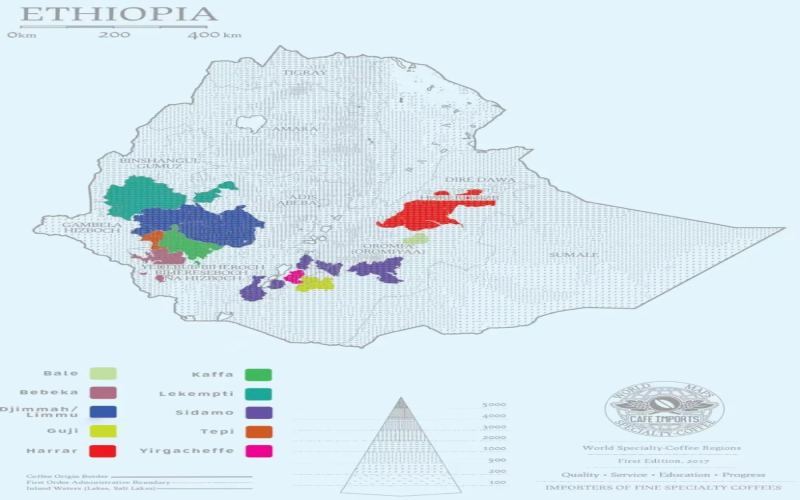
Exploring Ethiopia's Sidama Region: An Analysis of the Santavini Processing Station and the 74158 Numeric Variety Coffee
Ethiopia, as the birthplace of coffee, is home to more than ten thousand incompletely identified Arabica varieties, and the Sidamo region is one of the most representative star origins among them. Starting from the geographical and cultural background of Sidamo, this article traces the evolution of its name and its terroir advantages, focusing on the unique microclimate of the Santa Vini processing station and its 96-hour anaerobic natural process, while offering an in-depth interpretation of 74158 within the JARC digital variety system. At the same time, drawing on Front Street Coffee's example of bean selection, it presents the complete picture of this Sidamo Santa Vini coffee bean from origin to processing method, taking you to appreciate the diverse charm of African specialty coffee. [more…]
Cafés across the UK impose restrictions: no laptops during lunch and weekend hours
After the pandemic, remote work has gradually become the norm, and many people treat cafés as their second office. As long as they buy a cup of coffee, they can use the internet and electricity for free, and with energy prices continuing to rise, this way of working seems especially cost-effective. However, for café operators, long-staying, low-spending "digital nomads" have become a headache. Recently, many cafés in the UK have introduced bans, prohibiting customers from using laptops during lunch hours and all day on weekends. Cafés in Paris are also taking action to protect coffee culture. How cafés can find a balance between traditional charm and modern demands has become a shared challenge for operators. Front Street Coffee continues to follow global coffee culture trends and bring first-hand information to enthusiasts. [more…]

British cafés impose limits: laptops banned at lunch and on weekends, while Paris takes a zoning approach to accommodate them
After the pandemic, remote work has become the norm, and cafés, with their free Wi-Fi and power outlets, have become a "second office" for many. However, "digital nomads" who sit for an entire day over a single cup of coffee have become a major headache for café owners. Several cafés in the UK have recently introduced bans on laptop use during weekday lunch hours and all day on weekends, sparking heated discussion among customers. Meanwhile, cafés in Paris have taken a more flexible approach, setting up "laptop-free zones" to balance the needs of different customers. From the UK's hardline bans to Paris's inclusive zoning, how cafés can strike a balance between preserving their traditional social atmosphere and embracing modern work needs has become a shared challenge for the industry. Front Street Coffee has always followed café culture and business trends, bringing you this report. [more…]
British and French cafés say "no" to laptops: fighting seat-hogging or a culture war?
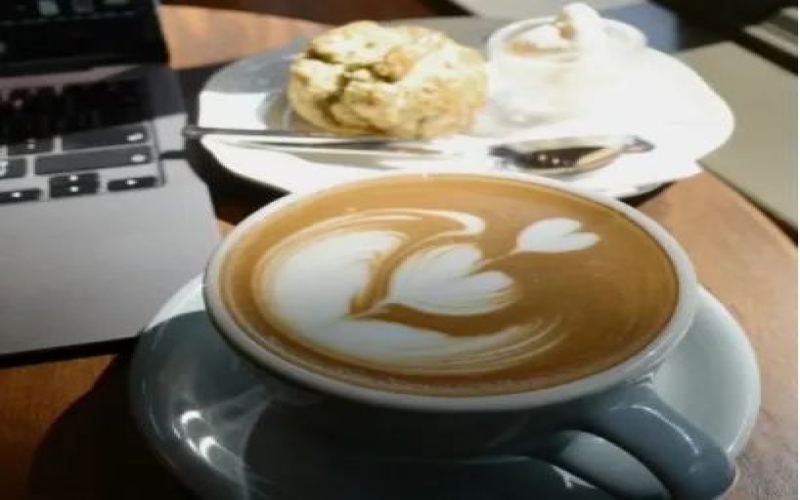
Bringing a laptop to a café to work was once part of everyday life for many people. Recently, however, several cafés in the UK have introduced rules banning customers from using laptops during lunch hours and on weekends, on the grounds that these "digital nomads" occupy seats for long periods while spending little, seriously hurting table turnover and revenue. At the same time, some cafés in Paris have also put up "no laptops" signs and even refuse to provide WiFi, in order to defend traditional coffee culture. But some shops have adopted a compromise strategy, setting up "no-computer zones." This tug-of-war over café space reflects the difficult balance between tradition and the demands of modernization. Front Street Coffee believes that how to accommodate diverse needs while safeguarding business operations is something every industry practitioner is worth pondering. [more…]
The Origin and Flavor Characteristics of Ethiopian Digital Coffee Varieties 74158 and 74110
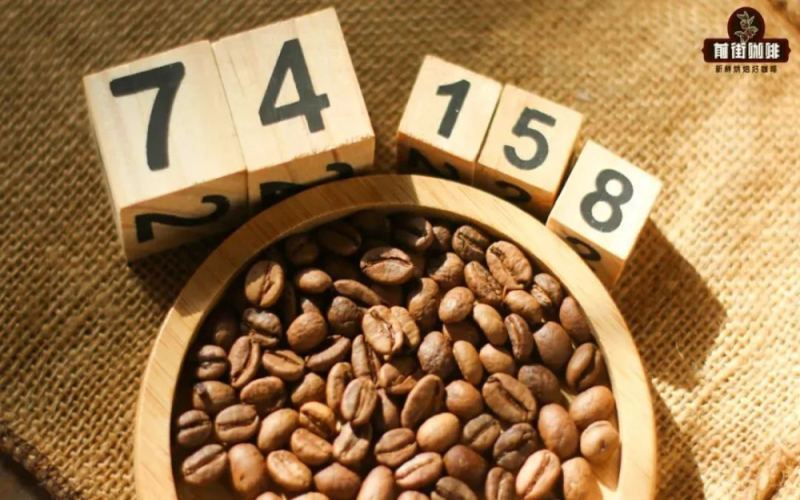
When purchasing Ethiopian coffee, in addition to the common Heirloom native variety label, in recent years more and more varieties with numerical codes have entered the public eye, such as 74158, 74110, and others. What exactly do these numbers represent? They are closely related to a period of disease-resistant breeding history in the Ethiopian coffee industry. In the 1970s, coffee anthracnose ravaged Ethiopian producing regions, prompting the Jimma Agricultural Research Center to launch a systematic breeding program, selecting from hundreds of samples several varieties that combined disease resistance with excellent flavor. This article will outline the origins of these numerical varieties, their classification logic, the flavor characteristics of their main representatives, and their performance in COE competitions, and will also introduce related products brought in by Front Street Coffee. [more…]
Microsoft system outage hits Starbucks stores worldwide, cashiers disrupted as staff resort to handwritten cups and even free drinks
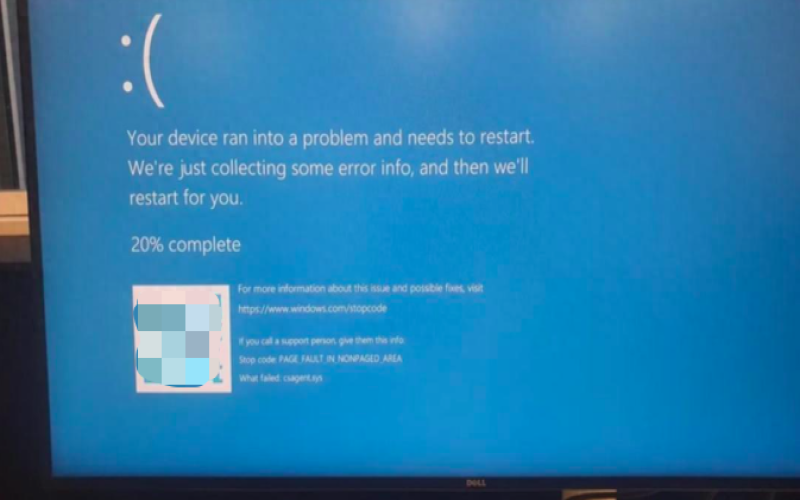
A global digital accident triggered by a Microsoft 365 service outage caused devices running Windows systems to collectively display the "blue screen of death," paralyzing multiple industries including aviation, finance, and education. As a well-known brand affected, Starbucks saw its point-of-sale systems fail in a large number of stores across the United States and Canada, forcing mobile ordering and payment functions to be suspended, with some stores even closing outright or offering customers free drinks. Some Starbucks stores in China were likewise not spared, as computer failures forced staff to return to the "handwritten cup era," manually marking requests after orders were placed through Feikua. Microsoft later announced that the root problem had been fixed, but residual effects continued. This article reviews the specific impact of the incident on Starbucks and how stores responded. [more…]
Why Are Ethiopian Coffee Beans So Uneven in Size? A Variety Analysis of the Sidamo Santaverry 74158
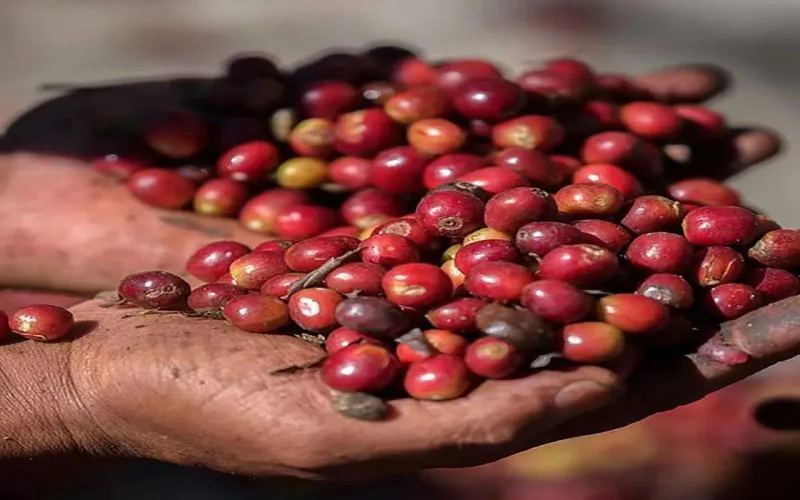
Ethiopia, as the birthplace of Arabica coffee, is known for beans with floral and citrus notes, but many enthusiasts notice that the coffee beans here often vary in size and shape. This is not a quality issue, but rather the result of the country's extraordinarily rich variety of coffee cultivars, diverse cultivation patterns, and a grading system that focuses on defect rate rather than bean size. This article will analyze the causes of differences in Ethiopian coffee bean morphology, introduce the three cultivation methods of garden, estate, and forest, explain the JARC digital variety series and the origin of 74158, and finally present the flavor profile of Front Street Coffee's Sidamo Santawini coffee beans. [more…]

Costa Rica releases 12 coffee variety NFT artworks, with proceeds to be invested in coffee research and species conservation
The Specialty Coffee Association of Costa Rica (SCACR), in collaboration with the Tropical Agricultural Research and Higher Education Center (CATIE) and NFT marketing company BIOCENFT, has jointly issued 12 NFT digital artworks themed around coffee varieties. These works cover varieties such as Geisha, Wush-Wush, Mibirizi, and Java, and are divided into three tiers: Gold, Silver, and Standard, with prices ranging from US$20 to US$12,000. All proceeds from the sale will be used to support CATIE's international coffee collection, coffee breeding programs, and SCACR's daily operations. Under the framework of the global strategy for the conservation of coffee genetic resources, whether this cross-sector experiment can inject new vitality into Costa Rica's coffee industry is worth watching. [more…]

2024 Ethiopia COE Results Announced: Natural Process Lots Dominate, Sidama Region Shines
The results of the 2024 Cup of Excellence (COE) Ethiopia competition have been announced, and this year's event has many highlights: all 27 winning coffees were naturally processed, and every one of them came from the JARC numerical variety series, with the Sidama region emerging as the biggest winner. Looking back, since Ethiopia first hosted the COE in 2020, it once set a record high price of $400.5 per pound; after being suspended in 2023 due to civil war, this year's relaunch has delivered a remarkable result. This article will walk you through the detailed results of this year's competition and take a deeper look at the geographical advantages of the Sidama sub-regions Bensa and Bona, as well as the origins of the JARC numerical varieties. [more…]
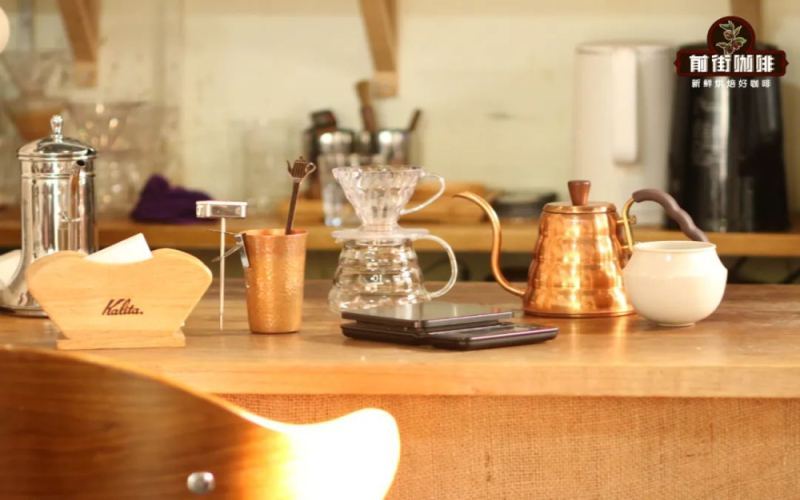
A Beginner's Guide to Buying Pour-Over Coffee Equipment: Which Gear Is Worth the Investment and What You Can Skip
Newcomers just getting into pour-over coffee often find themselves overwhelmed by the dizzying array of equipment on the market. Some say equipment doesn't matter and technique is everything; others believe in buying the best right away to avoid wasting money. Both views have merit, but what works for others may not work for you. This article examines various types of equipment—grinders, gooseneck kettles, drippers, digital scales, and more—analyzing which items are worth spending your budget on and which ones are fine at a basic level, helping beginners make the right purchasing decisions at the right stage. [more…]

Top 10 Popular Single-Origin Pour-Over Coffee Beans: A Bean Selection Guide from Yirgacheffe to Blue Mountain Kenya
Coffee is an imported product. Some drink it for a touch of petty-bourgeois elegance, some rely on caffeine to stay alert, and some are purely captivated by its aroma. Today, with pour-over coffee all the rage, light-roast single-origin beans are best presented via pour-over. A basic pour-over setup—gooseneck kettle, dripper, filter paper, carafe, grinder, thermometer, and digital scale—can get you started for about 1,500 yuan, estimates Front Street Coffee. The beans used for pour-over are mostly outstanding single-origin coffees, and based on this Front Street Coffee has compiled ten popular beans for reference: from the white-floral and citrus notes of Ethiopia Yirgacheffe, to the legendary backstory of Panama Hacienda La Esmeralda Geisha, to the rum-barrel flavors of Honduras Sherry, the classic balance of Jamaica Blue Mountain, the hefty acidity of Kenya AA, the all-purpose character of Brazil Queen Estate Yellow Bourbon, the blueberry gummy candy notes of Costa Rica巨石 Estate, and the affordable way to taste Geisha—Flower Butterfly. [more…]
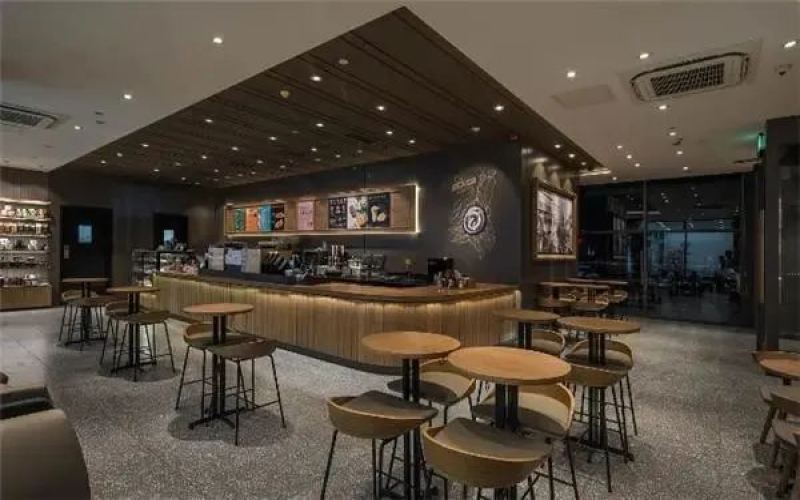
China's branded coffee shop count has leapt to the top worldwide, accelerating the reshaping of the East Asian market landscape.
The latest annual report on the East Asian coffee market shows that China has overtaken the United States to become the country with the most branded coffee shops in the world. Over the past year, China's total number of coffee shops reached 49,691, a year-on-year increase of 58%, far outpacing the United States. This growth was mainly driven by domestic chain brands such as Luckin Coffee and Cotti Coffee, which together added more than 11,000 net new stores. At the same time, other East Asian markets such as Malaysia and the Philippines also showed double-digit growth, and Asian domestic chain brands are gradually going international, shaking the position of traditional giants such as Starbucks. The report points out that Chinese consumers' enthusiasm for coffee continues to heat up, with 20% of respondents visiting coffee shops every day, and convenient small-format stores have become the mainstream. Front Street Coffee will also continue to follow this rapidly evolving coffee landscape for you. [more…]

Manner Coffee's crossover into baking: 5-yuan bread takes the internet by storm—can its high-value strategy be replicated nationwide?
As coffee brands get caught up in the 9.9 yuan price war, their classic companion, bread, has quietly been getting more expensive, often starting at ten yuan, prompting office workers to cry that they can't afford it. Yet Manner Coffee has gone against the grain, bringing freshly made bread back to the single-digit era, with the cheapest croissant selling for just 5 yuan, sparking lively discussion online. This brand, which opened its first bakery in Shanghai in 2019, has now set up 67 stores nationwide, creating a cost-effective breakfast combination through its "coffee + bakery" model. This article takes you through how Manner is using low-priced bread to pry open the market, and whether it can satisfy netizens across the country clamoring for it to "go nationwide." [more…]

Nayuki Tea Takes Virtual Stock Campaign Offline: Marketing Innovation or Legal Gray Area
On July 14, Nayuki suddenly announced the removal of its virtual stock membership campaign, sparking widespread attention. The campaign allowed users to earn Nayuki coins through purchases and to buy and sell virtual stocks linked to the real share price, even supporting leveraged trading. Within just hours of launch, it was mired in controversy, with netizens questioning its legality. Industry experts pointed out that Nayuki coins are essentially consumption points and have not yet crossed legal red lines, but the model is aggressive and should not be simply imitated. At the same time, Nayuki's frequent food safety issues have also led consumers to question its marketing strategy. This article will sort out the course of the incident, the legal controversy, and the brand's hidden concerns. [more…]
Heytea Caught in WanDianZhang Facial Recognition Scandal, Officials Deny Illegally Collecting Consumer Information
On March 16, Heytea trended on Weibo for using WanDianZhang facial recognition cameras. Previously, CCTV's 315 Gala exposed over 20 well-known brands, including Heytea, Kohler, and BMW, for illegally collecting facial information through WanDianZhang cameras without consumers' knowledge. Heytea responded that the cameras are only for security and will never illegally collect facial data. WanDianZhang stated that the platform's facial data volume has reached hundreds of millions and is drafting an announcement to explain its business scope and rectification measures. This incident has once again sparked public concern over the abuse of facial recognition technology and personal privacy security. [more…]